Case Study Background
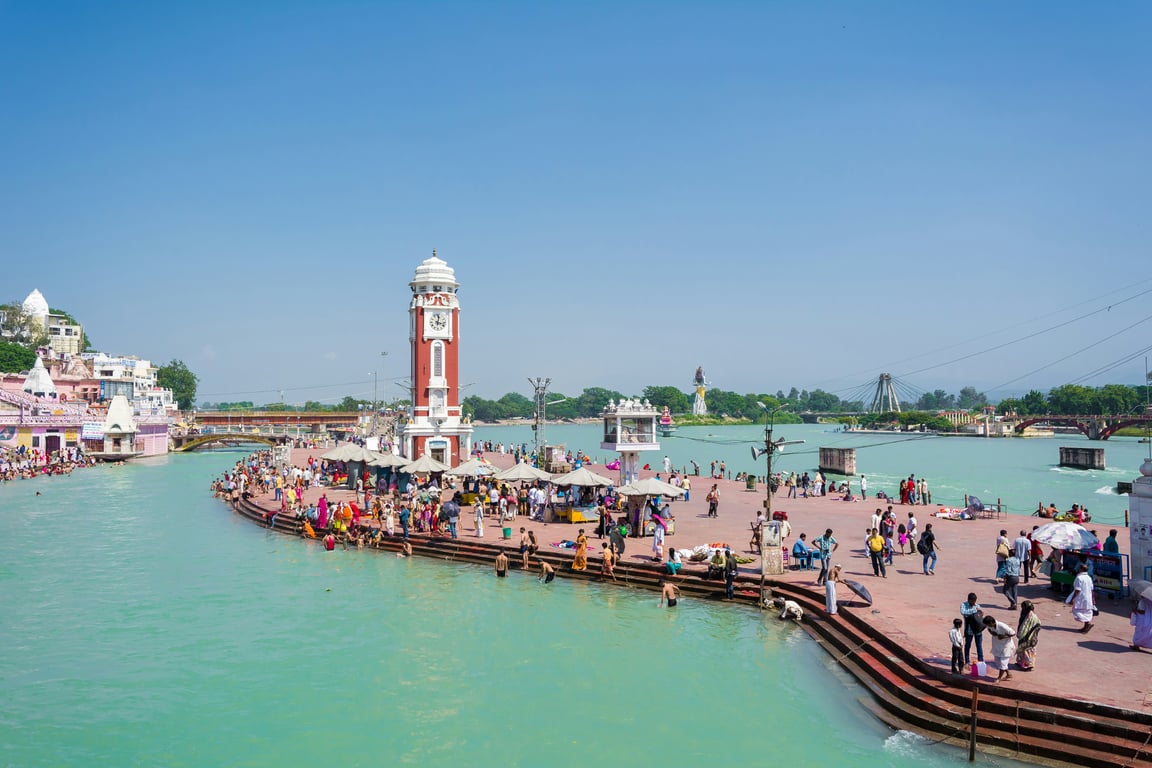
AyushVeda Wellness Limited, headquartered in Haridwar, Uttarakhand, has emerged as India's leading Ayurvedic pharmaceutical and wellness company with an extensive global footprint across 100+ countries. Founded in 1942, AyushVeda has grown into a global enterprise with 12,000+ employees worldwide, specializing in traditional Ayurvedic medicines, herbal supplements, and holistic wellness solutions.
Dr. Vaidya Mohan Sharma, CEO of AyushVeda Wellness, recently unveiled "Vision Wellness 2035" – an ambitious strategic roadmap focusing on global leadership in natural healthcare through a blend of ancient wisdom and modern science. "The world is witnessing a paradigm shift toward holistic wellness," emphasizes Dr. Sharma. "Our IT infrastructure must support both our traditional formulation knowledge systems and modern research, manufacturing, and global distribution requirements."
Dr. Anish Kumar, CTO at AyushVeda, has identified several critical infrastructure challenges:
- Regulatory compliance requirements (FDA, EMA, WHO-GMP) across 100+ countries
- Need for GxP-compliant infrastructure for pharmaceutical manufacturing and R&D
- Supply chain visibility across 1,000+ farming communities and distribution networks
- Secure research environment protecting intellectual property and formulation secrets
- Integration challenges between ERP, quality management, and laboratory systems
- Data sovereignty requirements for operating in multiple jurisdictions
- Legacy systems in manufacturing plants creating operational inefficiencies
"Our infrastructure must support both traditional knowledge preservation and modern pharmaceutical operations," explains Dr. Kumar. "We need GxP-compliant systems, secure research environments, supply chain traceability using blockchain, and global-scale operations—all while maintaining data security and regulatory compliance."
To address these challenges, AyushVeda has decided to implement a comprehensive infrastructure transformation initiative.
Implementation Challenge
As the implementation consultant engaged to support this strategic initiative, you must address the following questions that incorporate both technical and organizational considerations specific to the pharmaceutical and wellness sector.
Case Study Questions
- GxP-Compliant Infrastructure Architecture
Pharmaceutical manufacturing requires strict GxP compliance. How would you design infrastructure architecture that ensures data integrity, audit trails, electronic signatures, and regulatory compliance? Include specific controls for manufacturing execution systems, laboratory information systems, and quality management systems.
- Secure Research Environment Design
AyushVeda's R&D involves proprietary formulations and research data. How would you design a secure research infrastructure that protects intellectual property while enabling collaboration? Include network segmentation, data classification, access controls, and secure data sharing mechanisms for research teams.
- Blockchain for Supply Chain Traceability
With ingredients sourced from 1,000+ farming communities, supply chain integrity is critical. How would you design a blockchain-based architecture for end-to-end traceability from farm to finished product? Include integration with ERP systems, IoT sensors for environmental monitoring, and regulatory reporting capabilities.
- Multi-Region Data Residency Architecture
Operating in 100+ countries requires compliance with diverse data residency laws. How would you design infrastructure architecture that ensures data sovereignty while enabling global operations? Include strategies for data localization, cross-border data flows, and regional compliance.
- Manufacturing Systems Integration
AyushVeda operates manufacturing plants with diverse systems (MES, SCADA, QMS, ERP). How would you design integration architecture that connects operational technology (OT) with IT systems securely? Include considerations for real-time data collection, industrial protocols, and OT/IT convergence security.
- Disaster Recovery for Critical Systems
Pharmaceutical operations cannot tolerate extended downtime. How would you design disaster recovery architecture for mission-critical systems including manufacturing, quality control, and regulatory systems? Include specific RTO/RPO targets, backup strategies, and validation requirements for GxP systems.
- Global ERP Cloud Deployment
AyushVeda plans to consolidate multiple ERP instances into a unified cloud platform. How would you design the cloud ERP architecture supporting manufacturing, supply chain, finance, and quality management across global operations? Include integration patterns, master data management, and phased rollout strategy.
- API Architecture for Partner Ecosystem
AyushVeda collaborates with research institutions, contract manufacturers, and distribution partners. How would you design API architecture that enables secure B2B integration while maintaining compliance and data protection? Include API gateway, authentication, data exchange patterns, and partner onboarding.
- Infrastructure as Code for Validated Environments
Pharmaceutical systems require validation and change control. How would you implement Infrastructure as Code (IaC) practices while maintaining validation status? Include strategies for automated testing, validation documentation, change control integration, and audit trails.
- Cybersecurity Architecture for Pharma
Pharmaceutical companies are high-value targets for cyberattacks. How would you design comprehensive cybersecurity architecture protecting manufacturing systems, research data, and patient information? Include threat detection, incident response, security monitoring, and specific controls for protecting trade secrets and research IP.
Implementation Context
When developing your responses, consider these additional factors:
- AyushVeda competes globally with both traditional herbal product companies and modern pharmaceutical giants
- The company must comply with diverse regulatory frameworks (FDA, EMA, WHO-GMP, local regulations)
- Research and development involves sensitive intellectual property requiring highest security
- Supply chain spans from remote farming communities to global distribution networks
- Manufacturing operations require 24/7 availability and strict compliance controls
- The company is expanding research collaborations with academic institutions globally
Your implementation approach should balance regulatory compliance with innovation, ensuring that infrastructure architecture delivers both operational excellence and meets stringent pharmaceutical industry requirements.
Evaluation Criteria
Students will be evaluated on:
- Understanding of GxP-compliant infrastructure architecture
- Security architecture for pharmaceutical R&D and manufacturing
- Practical approaches to supply chain traceability and blockchain integration
- Multi-region compliance and data residency strategies
- Appreciation of pharmaceutical industry regulatory context
- Integration of OT/IT systems and modern cloud architectures
###